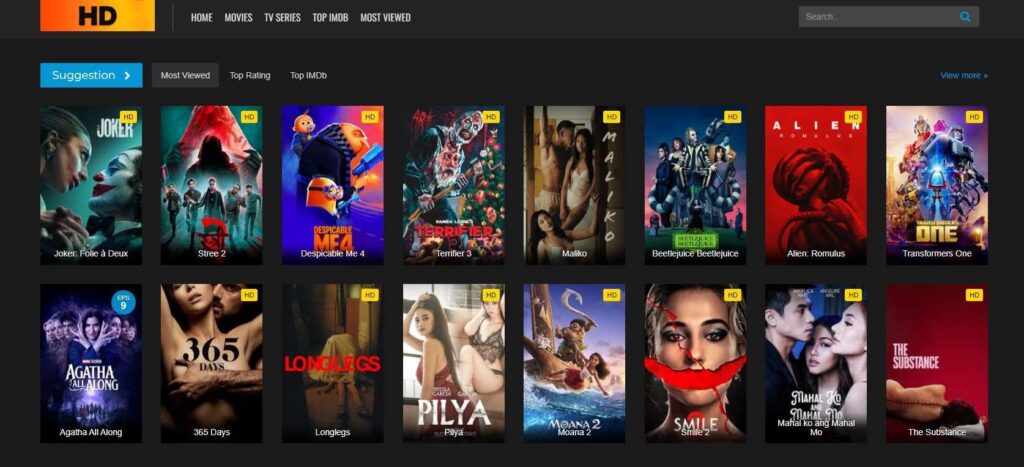
Novafork.com, we’re generally referring to a type of online platform that helps users explore website performance, competitor insights, keyword overlap, and audience similarity. Tools like this are widely used in SEO and digital marketing because they make it easier to understand what’s working in a niche and how different websites compete for traffic.
In this guide, we’re going to break everything down in a very simple way. We’ll look at what Novafork does, why people use it, and most importantly, the top 10 competitors and alternatives you can use instead. We’ll keep it practical, human, and easy to understand so anyone can follow along.
What is Novafork?
Novafork is typically seen as a website analysis and comparison platform. The idea behind it is simple: you enter a domain, and the tool gives you insights about similar websites, competitors, keyword overlap, and audience behavior.
We can think of it like a shortcut for SEO research. Instead of manually searching Google, checking rankings, and guessing competitors, tools like Novafork try to bring all that data into one place.
Most users turn to platforms like this for:
- Finding competitor websites in the same niche
- Understanding keyword overlap between sites
- Discovering traffic patterns
- Exploring audience similarity
- Quick SEO research without complex tools
In short, Novafork is part of the broader world of SEO intelligence tools that help us understand how websites compete online.
Why Tools Like Novafork Matter in SEO
Before we jump into alternatives, it’s important to understand why these tools are so useful in the first place.
In today’s digital world, ranking on Google is not just about content. It’s about strategy. You need to know:
- What your competitors are doing
- Which keywords bring them traffic
- What kind of content performs best
- How strong their backlinks are
- Who their audience is
Without tools, this becomes guesswork. With tools like Novafork or its competitors, it becomes data-driven.
And that’s where SEO becomes powerful.
Key Features Users Expect From Novafork-Type Tools
Even if we don’t go deep into technical details, most platforms in this category usually offer similar features like:
1. Competitor Discovery
We can find websites that compete in the same niche or target similar keywords.
2. Keyword Analysis
We can see what keywords are driving traffic to a website.
3. Traffic Insights
Estimated traffic, sources, and growth trends.
4. Audience Overlap
Helps us understand how similar two websites are in terms of users.
5. Domain Comparison
Side-by-side comparison of multiple websites.
These features are the reason SEO professionals rely on these tools daily.
Top 10 Novafork Competitors & Alternatives
Now let’s get into the main part: the best alternatives to Novafork. These tools are widely used in the SEO industry and offer strong analytics for competitor research.
1. Similarweb
One of the most popular alternatives is Similarweb. It’s known for giving a big-picture view of website traffic and audience behavior.
We use Similarweb to:
- Check estimated website traffic
- Analyze traffic sources (organic, social, direct)
- Compare competitors side by side
- Understand audience geography
It’s especially useful when we want a quick overview without diving too deep into technical SEO.
2. SEMrush
SEMrush is one of the most powerful SEO tools in the world. It goes far beyond basic competitor analysis.
With SEMrush, we can:
- Track keyword rankings
- Analyze backlinks
- Spy on competitor ads
- Find content gaps
- Do full SEO audits
If Novafork is a lightweight analysis tool, SEMrush is a full SEO ecosystem.
3. Ahrefs
Ahrefs is another industry leader, especially known for backlink analysis.
We use Ahrefs for:
- Checking backlink profiles
- Finding competitor keywords
- Content research
- Domain strength analysis
Many SEO professionals say Ahrefs has one of the best backlink databases available.
4. Moz
Moz is a well-known SEO platform that focuses on simplicity and education.
We like Moz for:
- Domain authority metrics
- Keyword research tools
- Site crawl and SEO audits
- Beginner-friendly interface
It’s a good alternative for users who are new to SEO.
5. Ubersuggest
Ubersuggest is a more affordable SEO tool that still offers strong features.
We use it for:
- Keyword suggestions
- Domain analysis
- SEO difficulty scoring
- Content ideas
It’s great for small websites or beginners who don’t want expensive tools.
6. SpyFu
SpyFu focuses heavily on competitor keyword research.
We use SpyFu to:
- See competitor paid ads
- Discover keyword strategies
- Track SEO performance over time
It’s especially useful for PPC and advertising research.
7. Serpstat
Serpstat is an all-in-one SEO platform that combines keyword research, backlink analysis, and competitor tracking.
It helps us:
- Analyze keyword clusters
- Track rankings
- Audit websites
- Compare competitors
It’s often seen as a budget-friendly SEMrush alternative.
8. SE Ranking
SE Ranking is another strong SEO platform with a focus on accuracy and usability.
We can use it for:
- Keyword tracking
- Competitor research
- Website audits
- Marketing planning
It’s popular among agencies and freelancers.
9. BuzzSumo
BuzzSumo is slightly different because it focuses more on content performance.
We use it to:
- Find trending content
- Analyze social shares
- Identify viral topics
- Study competitor content strategies
It’s perfect when content marketing is the main goal.
10. Quantcast
Quantcast is more focused on audience insights and demographics.
We can use it for:
- Understanding website audiences
- Behavioral analysis
- Market segmentation
It’s useful when we want to go beyond SEO and understand user behavior.
Novafork vs Competitors: Simple Comparison
When we compare Novafork-type tools with big platforms, the difference usually comes down to depth and accuracy.
Here’s a simple breakdown:
- Novafork-style tools → Quick insights, lightweight analysis, easy use
- SEMrush / Ahrefs → Deep SEO intelligence, professional-level data
- Similarweb → Traffic and audience overview
- Ubersuggest → Budget-friendly SEO help
So depending on what we need, we choose the right tool.
Which Alternative Should We Choose?
It really depends on our goals.
If we want:
- Quick competitor ideas: Similarweb or Novafork-type tools
- Deep SEO strategy: SEMrush or Ahrefs
- Backlink research: Ahrefs
- Beginner-friendly SEO: Moz or Ubersuggest
- Content marketing focus: BuzzSumo
There’s no single “best” tool. It’s about what fits our workflow.
Why People Search for Novafork Alternatives
Most users look for alternatives because:
- They want more accurate data
- They need deeper SEO insights
- They want better keyword tracking
- They need backlink analysis
- They want more reliable traffic estimates
Also, some tools are expensive, so users explore free or cheaper options.
How We Use These Tools in Real SEO Work
In practical SEO work, tools like these help us in many ways:
We start by analyzing a competitor domain. Then we check:
- What keywords they rank for
- What pages bring them traffic
- Where their backlinks come from
- What content performs best
After that, we use this data to:
- Create better content
- Target missing keywords
- Improve site structure
- Build backlinks strategically
This is how real SEO growth happens.
Final Thoughts
Novafork is part of a growing category of SEO tools that help us understand websites, competitors, and keyword landscapes in a simple way. But when we look at the bigger picture, there are many powerful alternatives available.Tools like Similarweb, SEMrush, Ahrefs, Moz, and Ubersuggest give us much deeper insights depending on what we need.
At the end of the day, the best approach is not to rely on just one tool. Instead, we combine multiple platforms to get a clearer picture of the market.If we understand how competitors are performing, what keywords they target, and how their audience behaves, we’re always one step ahead in SEO.
