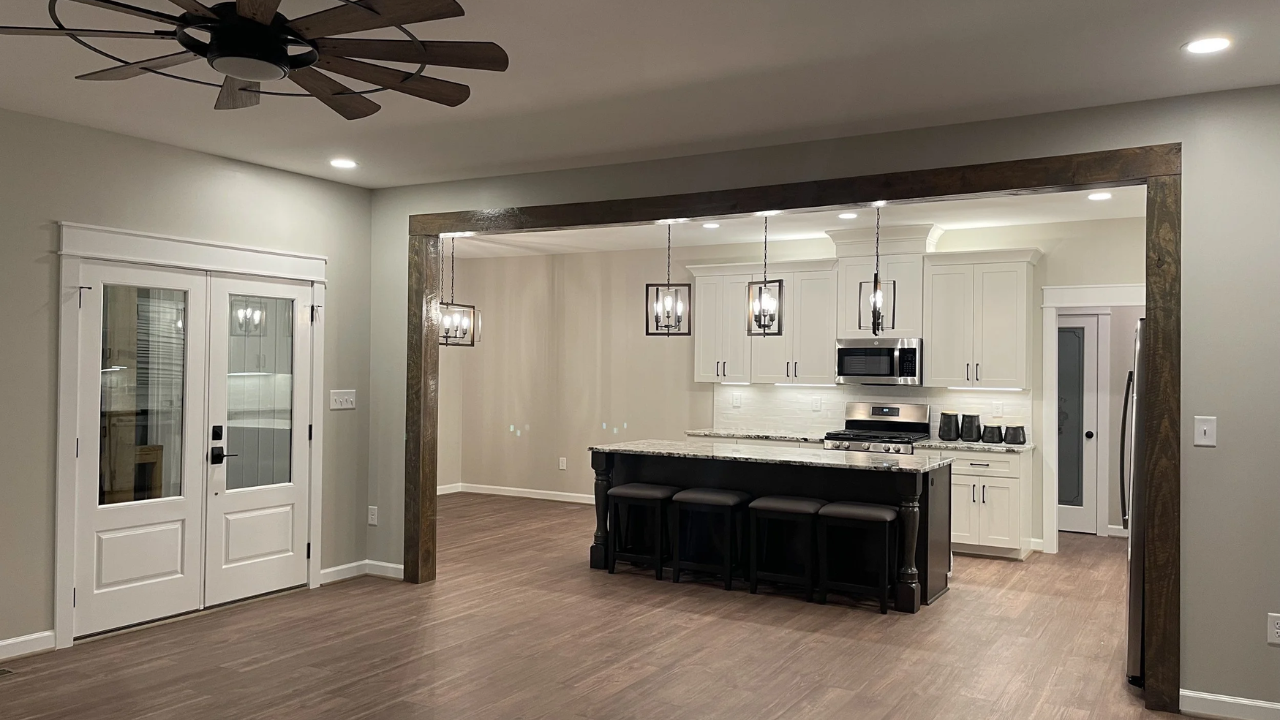
Making your home a better place to live doesn’t always require major renovations or huge expenses. Often, small, practical improvements can transform your space, enhance comfort, and even increase property value. The best part? Many of these upgrades are easy to start today with minimal tools, time, or experience. Whether you’re a homeowner looking to freshen up your living space or a renter aiming to make your apartment feel more personal, practical home improvements can make a big difference.
Improve Curb Appeal
The exterior of your home is the first thing visitors see. Simple enhancements can drastically improve curb appeal without breaking the bank. Start by tidying up your garden, trimming overgrown shrubs, and planting seasonal flowers. Pressure washing your driveway, sidewalks, and exterior walls can give your home an instant facelift. Adding a fresh coat of paint to your front door or replacing outdated house numbers can also make a noticeable difference. Small details, like a new mailbox or outdoor lighting, create an inviting first impression.
Upgrade Lighting
Lighting can completely change the feel of a room. Replace harsh, outdated bulbs with energy-efficient LED lighting that provides a warm, inviting glow. Consider adding dimmers to living areas and bedrooms to adjust the ambiance based on your mood. For kitchens and workspaces, task lighting can make a big difference, while accent lights can highlight artwork or architectural features. Even small improvements, like updating lamp shades or changing the direction of light fixtures, can make your home feel brighter and more welcoming.
Declutter and Organize
A clutter-free home is not only visually appealing but also reduces stress. Start by tackling one room at a time, sorting items into categories: keep, donate, or discard. Use storage solutions like baskets, shelves, and under-bed containers to maximize space. Labeling storage boxes and organizing cabinets can make everyday tasks more efficient. Investing in multifunctional furniture, such as ottomans with storage or beds with drawers, can also help keep clutter under control while maintaining style.
Refresh Walls and Paint
Painting is one of the simplest ways to transform a room. You don’t always need a professional; a weekend of painting can dramatically alter the mood and appearance of a space. Choose neutral shades for a timeless look or bold colors to create a statement wall. If painting an entire room feels daunting, consider just touching up trim, doors, or ceilings. Wall decals or removable wallpaper offer a creative way to add pattern and interest without long-term commitment.
Modernize Hardware
Small hardware updates can make a big impact. Replace outdated door handles, cabinet knobs, and drawer pulls with modern, stylish options. Even switch plates, curtain rods, and towel bars can be refreshed to give a cohesive, updated look. These simple swaps are inexpensive and easy to do with basic tools, instantly giving your home a more polished and contemporary appearance.
Enhance Storage Solutions
Storage is a common challenge in any home. Installing shelves in closets, kitchens, or bathrooms helps keep essentials organized and accessible. Consider vertical storage solutions to maximize space in small areas. Adding hooks behind doors, under cabinets, or in hallways can keep everyday items off counters while staying within reach. Customizing storage solutions to your lifestyle can reduce clutter and make your home more functional.
Upgrade Kitchen Fixtures
The kitchen is the heart of the home, and small improvements here can make a big difference. Replace an old faucet with a modern, water-efficient model. Swap worn-out cabinet hardware, install a stylish backsplash, or add under-cabinet lighting to brighten work surfaces. Even updating small appliances to more energy-efficient models can enhance the look and functionality of your kitchen while saving on utility bills.
Improve Bathroom Functionality
Bathrooms are often overlooked, but practical improvements here can enhance comfort and efficiency. Replace old showerheads with high-pressure, water-saving models. Update faucets, towel racks, or mirrors for a fresh look. Adding storage solutions like shelving above toilets or organizing under-sink cabinets can make the space more functional. Small upgrades, like installing a new shower curtain or bath mat, can also create a spa-like feel without a full remodel.
Install Smart Home Features
Smart home devices are increasingly accessible and practical for everyday use. Smart thermostats, lighting, and security systems make life easier and more efficient. Automated lights or plugs can save energy, while smart locks and cameras improve home security. Some systems are simple to install and don’t require professional help. Adding smart features gradually allows you to modernize your home in manageable steps.
Maintain Flooring
Floors endure heavy traffic and can make a home feel worn out if neglected. Simple improvements like deep cleaning carpets, refinishing hardwood, or adding area rugs can improve appearance and comfort. For high-traffic areas, consider durable, easy-to-clean options like vinyl planks or laminate flooring. Even replacing worn-out doormats or floor protectors under furniture can prevent damage and improve aesthetics.
Upgrade Windows and Treatments
Windows affect both the comfort and energy efficiency of your home. Start with cleaning and repairing existing windows, ensuring they open, close, and lock properly. Adding or updating window treatments, like blinds, curtains, or shades, can improve privacy, light control, and insulation. For a small investment, thermal curtains or draft stoppers can help regulate temperature, saving on heating and cooling costs.
Focus on Energy Efficiency
Practical home improvements don’t just enhance style—they can save money. Start by checking for drafts around doors and windows and sealing gaps with weatherstripping or caulk. Switching to LED bulbs, installing low-flow faucets, and using smart power strips reduces energy consumption. Even small changes, like insulating water heaters or adding a programmable thermostat, can improve efficiency and lower monthly bills.
Enhance Outdoor Spaces
Outdoor areas are extensions of your living space. Small improvements can make patios, decks, or gardens more enjoyable. Consider adding seating, planters, or a fire pit. Installing solar lights along pathways or a simple water feature can make the space more inviting. Regular maintenance, like cleaning outdoor furniture, trimming plants, or repainting fences, can dramatically improve the appearance and usability of outdoor areas.
Refresh Furniture and Decor
You don’t always need new furniture to improve your home. Rearranging existing pieces can create a fresh look. Adding decorative pillows, throws, or rugs can bring color and texture without major expense. Upcycling or painting old furniture gives it new life, while wall art or framed photos personalize your space. Thoughtful decor updates can make a home feel stylish and comfortable without a full redesign.
Improve Home Safety
Practical improvements also mean making your home safer. Install smoke and carbon monoxide detectors if they aren’t already in place. Check fire extinguishers and ensure they are accessible. Replace burned-out outdoor lights, secure loose railings, and remove tripping hazards. Childproofing or pet-proofing areas can prevent accidents and create peace of mind. Even simple improvements, like adding night lights or non-slip mats, increase safety and convenience.
Add Functional Touches
Functional improvements enhance everyday life. Installing charging stations, adding coat racks near entryways, or creating a small home office area can make your home more practical. Adding hooks for keys, organizing mail, or creating dedicated zones for hobbies and chores can streamline daily routines. These small, purposeful touches improve comfort and usability without requiring major construction.
Focus on Regular Maintenance
Ongoing maintenance is one of the most practical improvements you can make. Regularly inspect plumbing, HVAC systems, and electrical outlets. Clean gutters, check for leaks, and address minor repairs before they become bigger issues. Preventive care not only keeps your home safe and efficient but also saves money in the long term by avoiding costly repairs.
Personalize Your Space
Finally, the most practical home improvement is creating a space that feels like yours. Add personal touches like family photos, mementos, or art pieces that reflect your personality. Even small DIY projects, like creating a gallery wall or customizing shelves, make a home feel lived-in and welcoming. A personalized space enhances comfort, pride, and enjoyment in your home every day.
Conclusion
Practical home improvements don’t have to be overwhelming or expensive. By focusing on small, achievable upgrades, you can transform your home into a more comfortable, efficient, and stylish space. Start today with simple actions like decluttering, refreshing paint, updating hardware, or enhancing lighting. Over time, these improvements accumulate, creating a home that reflects your lifestyle, meets your needs, and feels like a sanctuary. The key is to take small, deliberate steps and enjoy the process of making your space better, one improvement at a time.
With these ideas, anyone can start making their home more functional and attractive without a major renovation. The beauty of practical improvements is that they are accessible, customizable, and impactful—perfect for homeowners looking to enjoy their living space more fully.
