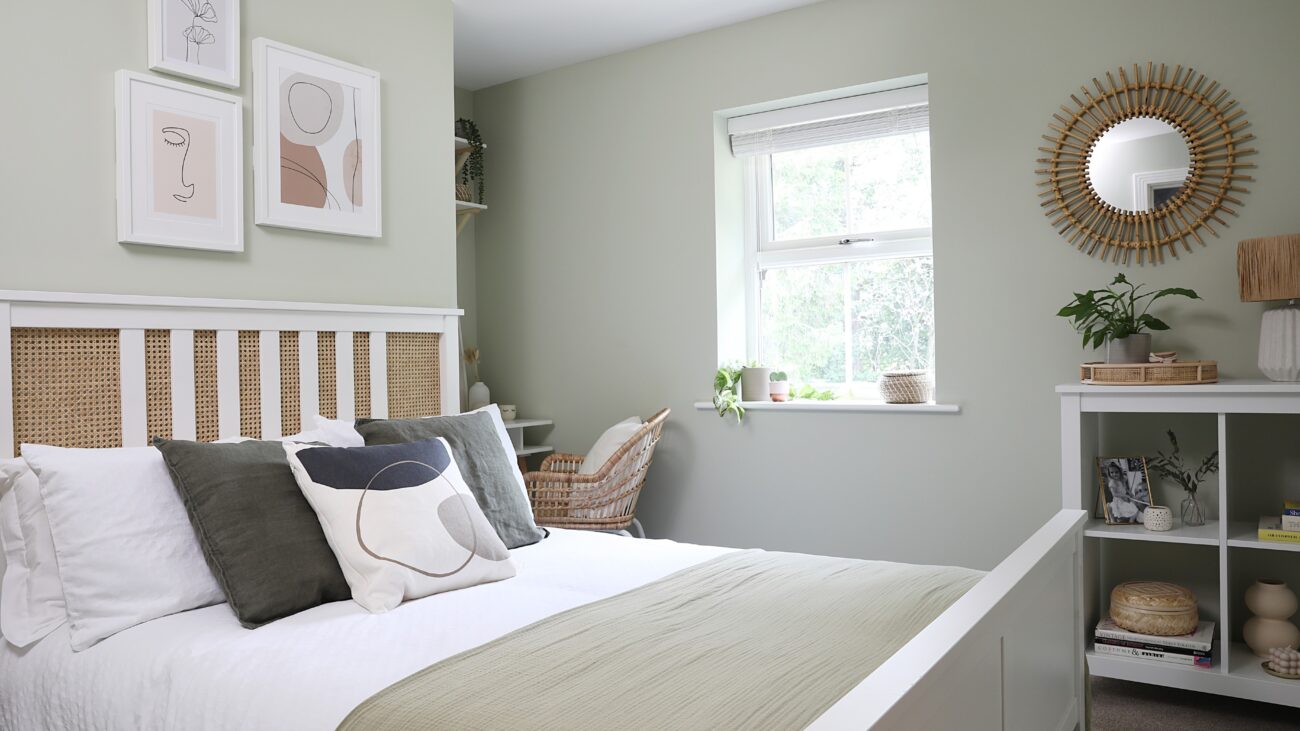
A small living room can sometimes feel tight, cluttered, and a bit limiting—but honestly, it doesn’t have to stay that way. With the right approach, we can turn even the smallest space into something open, airy, and full of life. The trick isn’t about having more space, it’s about using what we already have in a smarter way.
Let’s walk through some simple, affordable, and practical ideas that help us make our small living room look bigger and brighter without doing any heavy changes.
Start With Light Colors
Color plays a huge role in how big or small a room feels. Dark shades tend to absorb light, making the space feel smaller, while lighter tones reflect light and create an open vibe.
We should try using soft shades like white, cream, light grey, or pastel colors on walls and larger furniture. Even if we don’t want to repaint everything, adding light-colored cushions, rugs, or curtains can instantly lift the room.
Let Natural Light Do the Work
Natural light is our best friend when it comes to making a room feel bigger. The more sunlight we allow inside, the more open and fresh the space will look.
We should avoid blocking windows with heavy curtains. Instead, go for sheer or lightweight curtains that let light pass through. Keeping windows clean also helps maximize brightness without any cost.
Use Mirrors the Right Way
Mirrors are one of the easiest tricks to create the illusion of space. They reflect both light and the room itself, making everything feel larger than it actually is.
We can place a large mirror on a main wall or position it opposite a window so it reflects natural light. Even a few small mirrors arranged nicely can do the job well.
Choose Multi-Functional Furniture
In a small living room, every piece of furniture should serve a purpose—and if possible, more than one.
We can use a coffee table with storage, a sofa bed, or ottomans that double as seating and storage. This reduces clutter and keeps the room organized, which naturally makes it feel bigger.
Keep Furniture Low and Simple
Bulky furniture can overwhelm a small space. Instead, we should go for low-height furniture with clean lines. This creates more visual space above, making the ceiling feel higher.
Minimal designs also help keep the room from looking crowded. The simpler the furniture, the more open the space feels.
Declutter Like a Pro
Clutter is the fastest way to make a room feel smaller. Too many items competing for attention can make the space feel chaotic.
We should keep only the essentials and remove anything unnecessary. Using baskets, shelves, or hidden storage helps keep things tidy without sacrificing style.
Use Vertical Space
When floor space is limited, we should think vertically. Walls offer a lot of unused potential.
Floating shelves, tall bookcases, or wall-mounted storage can help us store and display items without taking up floor space. This keeps the room functional while maintaining an open feel.
Go for Light and Airy Curtains
Curtains can either open up a room or make it feel closed. Heavy, dark curtains often make a space feel smaller.
We should choose light fabrics and hang curtains slightly higher than the window frame. This trick makes the ceiling look taller and the room feel more spacious.
Add a Properly Sized Rug
A lot of people think small rooms need small rugs—but that’s not always true. A tiny rug can actually make the room feel even smaller.
We should choose a rug that fits under most of the furniture. This helps connect everything visually and gives the illusion of a larger floor area.
Stick to a Simple Color Palette
Too many colors can break the visual flow and make the room feel smaller.
We should try to stick to a consistent color palette with two or three main shades. This creates a clean and cohesive look, making the room appear more open and relaxing.
Use Transparent or Reflective Pieces
Glass or acrylic furniture can be a great choice for small living rooms. Since they are see-through, they don’t visually block space.
A glass coffee table or transparent chairs can make the room feel less crowded while still being functional. Reflective surfaces also bounce light around the room, adding brightness.
Keep the Floor Visible
The more floor we can see, the bigger the room will feel.
We should avoid furniture that sits directly on the floor without legs. Instead, choose pieces with visible legs so light and space can flow underneath them. This small detail makes a big difference.
Add Plants for Freshness
A small living room can benefit from a touch of nature. Plants add life, color, and freshness to the space.
We don’t need too many—just one or two well-placed plants can brighten up the room. We can use wall planters or small pots on shelves to save space.
Focus on Lighting Layers
Good lighting can completely change how a room feels. Instead of relying on one overhead light, we should use multiple light sources.
A combination of floor lamps, table lamps, and soft lighting creates depth and makes the room feel more inviting. Warm light tones work best for a cozy and spacious feel.
Create a Focal Point
Every room needs something that draws attention. Without a focal point, the space can feel scattered.
It could be a piece of art, a TV wall, or even a statement sofa. Once we have a focal point, we can arrange everything else around it, making the room feel more organized and balanced.
Use Minimal Wall Decor
While decorating walls is important, overdoing it can make the room feel crowded.
We should keep wall decor simple and intentional. One large artwork often works better than multiple small pieces. It keeps the look clean and visually expands the space.
Keep Patterns Subtle
Bold patterns can be overwhelming in a small room.
If we want to use patterns, it’s better to go for subtle designs or small prints. This keeps the space interesting without making it feel busy or cramped.
Make Use of Corners
Corners often go unused, especially in small rooms.
We can place a small chair, a plant, or a corner shelf to make the most of that space. It adds function without overcrowding the main area.
Maintain a Clean Layout
At the end of the day, layout matters the most. Even with all the right elements, a poor arrangement can make the room feel small.
We should leave enough walking space and avoid blocking pathways. A clean, open layout naturally makes the room feel larger and more comfortable.
Final Thoughts
A small living room doesn’t mean we have to compromise on style or comfort. With smart choices and a little creativity, we can make our space feel bigger, brighter, and more inviting.
From using light colors and mirrors to choosing the right furniture and keeping things organized, every small change adds up. The goal is to create a space that feels open, functional, and truly enjoyable to spend time in.
